
Door County's Sources for Former Owners
Door County's Register of Deeds anchors the search. The office describes recorded documents from 1854 forward, with document images running from the 1800s to the present. The searchable name index reaches 1981 and is not fully verified. Older chains need other sources. The Door County Library keeps plat books from 1899. The Laurie History Room adds newspapers and directories. The Archives holds collections by appointment, and a state historical atlas rounds out the picture with municipal context.
| Source | Years It Covers | Where Held | What It Shows |
|---|---|---|---|
| Grantor/grantee index | 1981 to current, not fully verified | Register of Deeds / Tapestry | Indexed parties and instruments |
| Tract/colortract material | Pre-1997 holdings | Register of Deeds | Older land and party references |
| Plat books | 1899 onward runs | Door County Library | Landowners, tracts, and municipal plats |
| Door County atlas | 1917–1923 | Wisconsin Historical Society | Town, village, and city context |
A recent transfer lives in the current deed index. Chains that reach before 1981 call for the Register of Deeds and its tract or colortract route. For a nineteenth-century farm, start with the legal description. Where no modern street number exists, the 1899-and-later plat books are the better entry point. The digitized atlas helps place a tract. Archives and newspapers can explain the name or business behind the parcel, since each source serves a different era and purpose.
Door County's 1981 Online Index Cutoff
The 1981 date trips people up. Door County's online grantor and grantee index reaches 1981 forward and is not completely verified. That line marks search access, not the age of the land records themselves. The office describes recorded documents from 1854. It also offers online images from the 1800s to current. So older ownership work can still need a second finding aid. Never assume deeds begin in 1981. The county keeps earlier tract material and land documents available for public access.
Work from the current grantee to the prior grantor. Then search that earlier party in the role of grantee. When the web index ends, bring the legal description, section, township, range, plat, or lot and block to the Register of Deeds. A street address alone can fail. Roads change names, and many tracts predate modern addressing. The county's online real-estate search page explains the index distinction.
Pre-1997 Door County Tract Records
The pre-1997 tract route is the key fallback. It reaches deeds that predate the searchable name index. The Register of Deeds keeps the old tract indexes. Ask counter staff how to run the description, plat, section, or spelling variants through the relevant books. The goal is one instrument on a known parcel. Searching a bare surname and taking the first match leads nowhere.
The county's public terminal is free during office hours. Tapestry is the paid per-search route, and Laredo is the monthly subscription. The deed records page covers those mechanics. For deep chain work, older indexes, deed books, and image references beat repeated paid searches that stop at 1981. Track each deed's date, parties, and land description.
Tapestry remains the public online route for searchable Door County deed references. The grantor-and-grantee screen offers a modern search form. It does not push the searchable index past the county's stated 1981 boundary.
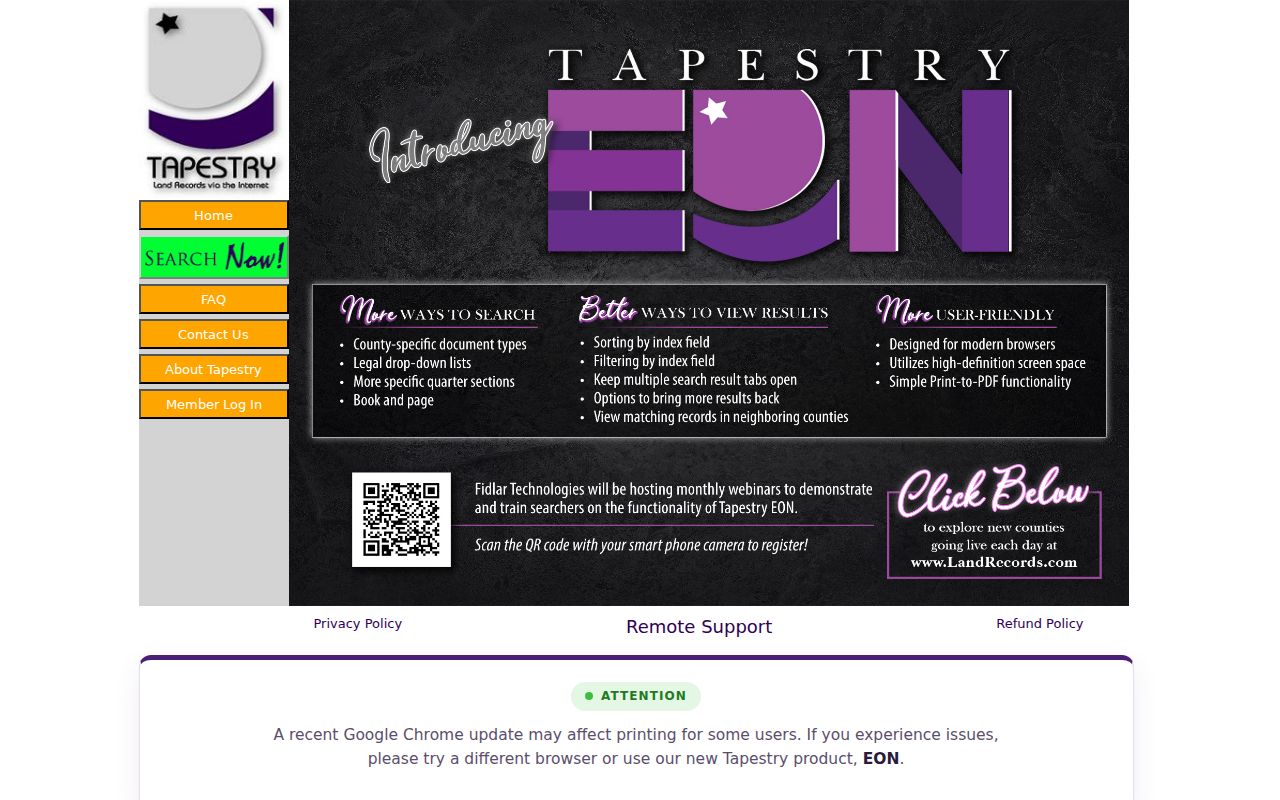
Let the tract books find the earlier link in the chain. Then inspect the matching document image and note its parties, dates, and land description before moving on.
Door County Plat Books from 1899
The Laurie History Room at the Door County Library holds plat books from 1899 onward, plus newspapers, city directories, obituary and cemetery indexes, marriage indexes, yearbooks, census material, and local books. A plat can pin an owner name to a farm or lot at a point in time. It does not prove title. Compare the name and parcel against the deed. The Wisconsin Historical Society's 1917 to 1923 atlas adds another county snapshot, with villages, cities, townships, and named landowners.
Old plats pair well with a modern PIN. Add the recorded legal description. That combination opens Door County's property history faster than any single source. The library is the better stop for in-person local material. The Historical Society offers the digitized atlas. Search the surname, section, and plat name. Then connect each candidate to a deed or tax source before extending the chain.
Door County Archives and Estate Transfers
Door County Archives keeps church records, business papers, personal papers, photographs, audiovisual items, research aids, and genealogy collections. The stacks are not open for browsing. Researchers work with the archive staff by appointment. These materials can add community history to a chain of title. They do not replace the instrument recorded with the Register of Deeds. The county's online access page describes public terminals, and the archives page explains how to reach the staff today.
An estate can interrupt a simple owner-to-owner sequence. A transfer-on-death deed, personal-representative deed, executor or administrator deed, survivorship instrument, or probate file may explain the gap. A probate order alone may not update land title. The recorded conveyance is what gives notice to later purchasers. Vital certificates document a death but do not prove ownership. Door County warns that older local vital records are incomplete, so probate, church, cemetery, and newspaper sources may need to be reconciled.
Door County Archives gives the request route for historical collections. The image shows the county's appointment-based archive access page.
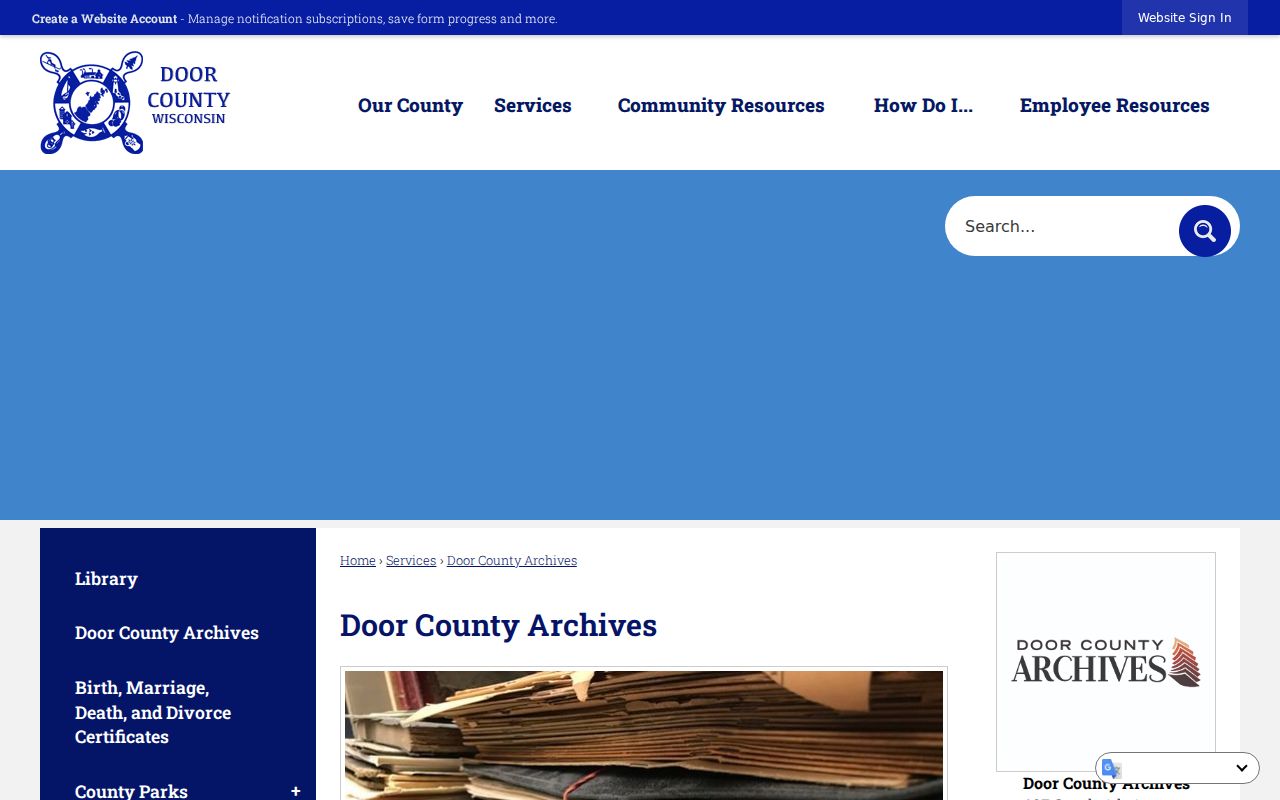
Archive clues can point to a person or a tract. Only the recorded deed or probate instrument establishes the land event.
Reconstruct a Door County Chain Backward
Start a backward chain with the latest deed on the parcel, not with a guess about who lived there. Read the grantee. Then find that party's own deed into the property, which names the earlier grantor. Keep the legal description identical as you go. Note each deed date and instrument number. If the description changes, check a CSM, plat, or survey-related filing that explains the link before stepping back to an older name.
- Find the recent instrument tied to the parcel and confirm its legal description.
- Write down the grantee and search that party's name as a grantor in later records.
- Find the earlier deed where the same party received the parcel as grantee.
- Repeat until the online index ends, then use tract material or deed books.
- Grantor
- The party transferring an interest in the instrument.
- Grantee
- The party receiving an interest in the instrument.
- Chain of title
- The sequence of transfers traced for the same land.
- Legal description
- The deed's land identification, often more useful than a modern street address.
Door County Historical Addresses and Plats
An old address can mislead. Road names and route numbers changed over time. Pair each city-directory address with a plat book, an atlas, and the deed description. The Door County Library has digitized decades of local newspapers. Its plat books go back to 1899. Door County Archives preserves local photographs. Business and personal papers are also available there through appointment requests. Together these sources can tie a household, business, or shipyard reference to a land tract.
Directories and newspaper notices may name an occupant, spouse, business, or estate. They prove no ownership. Track the same address and surname across adjacent years. Then test the likely owner against deeds, tax rolls, probate, and recorded plats. Door County's shoreline, villages, and farms make parcel context matter. Town and city distinctions matter too. A Sturgeon Bay address may have sat in the Town rather than the City.
Door County Ownership Record Time Depth
Door County became an independent county in 1851. The Register of Deeds describes recorded documents from 1854 onward. Online images reportedly reach into the 1800s. The name index stops later, at 1981. Older tract and colortract materials bridge the gap. Those dates describe different record and search systems. A chain may run well before the online index even when a modern party search cannot find it.
FamilySearch holds a Wisconsin wills-and-deeds collection spanning the 1700s through 2017 across multiple custodians. Coverage for an individual Door County book must be checked in its inventory. The county's local genealogy page warns that pre-1907 vital files are incomplete. Few local records survive from the 1850s through the 1870s. Probate deeds, plat books, church registers, and tax rolls can bridge a missing personal record. Check each clue against the land description.
Lawful use. Former-owner research supports property history, estate work, and title diligence. Do not use historic records to track, stalk, or harass a living person.